The Weekly Planning System That Builds Real Discipline
Why Most Men Are Busy But Not Productive
There's a difference between being busy and being productive, and most men are stuck on the wrong side of that line. You're working hard, putting in hours, staying up late grinding on projects - but at the end of the week, you look back and wonder what you actually accomplished. The inbox is still full. The goals are still distant. The feeling of spinning your wheels hasn't gone away.
The issue isn't effort. It's direction. Without a clear weekly plan, you're essentially reacting to whatever comes your way - emails, requests, emergencies, distractions. You're letting the world dictate your priorities instead of setting them yourself. And that's a losing strategy for anyone trying to build something meaningful.
Weekly planning fixes this. Not the vague "I should plan my week" kind, but a structured, intentional process that takes 20 minutes and changes everything about how you operate for the next seven days.
The Case for Weekly Planning Over Daily Planning
Most productivity advice focuses on daily habits and morning routines. And while those matter, they miss the bigger picture. A great day means nothing if it's not connected to a bigger objective. You can crush your to-do list every single day and still end the month feeling lost because the tasks you completed weren't the ones that actually moved the needle.
Weekly planning gives you the altitude to see what matters without losing the granularity to execute. It's the sweet spot between the vague aspirations of monthly goals and the myopic focus of daily task lists. One week is long enough to make real progress on important work, but short enough to stay responsive and adjust when things change.
Think of it this way: your weekly plan is your game plan. It's what you take into the week knowing exactly which plays you're running. Daily execution is just running those plays. Without the game plan, you're improvising - and improvisation doesn't build empires.
The 20-Minute Weekly Planning Framework
This isn't complicated. You don't need a degree in project management or a wall full of sticky notes. You need 20 minutes, a quiet space, and a weekly planner that doesn't get in your way. Here's the process:
Step 1: Review Last Week (3 Minutes)
Before you plan forward, look back. What did you accomplish? What slipped? What do you need to carry over? This isn't about beating yourself up. It's about being honest with yourself so you can plan smarter. Quick scan, three minutes, done.
Step 2: Check Your Quarterly Goal (2 Minutes)
What's your 90-day focus right now? Whether it's building a business, getting in shape, learning a new skill, or advancing your career, every week needs to serve that bigger goal. Glance at your quarterly objective and ask: "What can I do this week that moves me closer?"
This step is what separates productive planning from busy planning. Without a quarterly anchor, your weekly plan becomes a random collection of tasks. With one, every week has purpose.
Step 3: Identify Your Three to Five Weekly Priorities (5 Minutes)
Not twenty. Not ten. Three to five things that, if you accomplish them this week, will represent real progress. These are your anchors. Everything else — the meetings, the admin, the routine — works around these priorities, not the other way around.
Write them down. In your planner. On paper. There's something about physically writing your priorities that commits them to your brain differently than typing them into an app. The act of writing creates accountability.
Step 4: Block Your Non-Negotiables (5 Minutes)
You have commitments that can't move - work hours, gym sessions, family time, whatever's fixed in your schedule. Block those first. Then look at the open windows and assign your weekly priorities to specific time blocks.
This is where most guys fail. They write down goals but don't give them a home in their calendar. A priority without a time slot is just a wish. Put it on paper with a specific day and time, and it becomes a commitment.
Step 5: Identify Potential Blockers (3 Minutes)
What could go wrong this week? Is there a deadline that might eat into your focus time? A meeting that could run long? A personal obligation that might throw things off? By identifying potential disruptions in advance, you can plan around them instead of being blindsided.
Step 6: Set Your Daily Focus Points (2 Minutes)
For each day, write one primary focus - the single most important thing you need to accomplish that day. Not a to-do list. One focus. This creates clarity that carries you through even the most chaotic days because you always know what matters most.
Why This Works When Other Systems Don't
Most planning systems fail for one of two reasons: they're too complex, or they're too vague. If your system requires 45 minutes of setup, color-coded categories, and multiple apps syncing together, you'll abandon it within two weeks. If your system is just "write a to-do list," you'll stay busy without ever being strategic.
The weekly planning framework above hits the middle ground. It's structured enough to keep you focused and simple enough to maintain consistently. Twenty minutes. Six steps. Done for the week.
The other reason this works is the quarterly anchor. By connecting each week to a bigger 90-day goal, you're building compounding momentum. Week one moves the needle a little. Week four moves it more. By week twelve, you've made genuine, visible progress on something that matters. That's the power of consistent, directed weekly planning.
The Weekly Review: Where Discipline Becomes Automatic
Planning your week is half the equation. The other half is reviewing it. At the end of each week (or before you plan the next one), take five minutes to assess:
What did I accomplish? Celebrate the wins, even small ones. This builds the positive feedback loop that keeps you coming back to the process.
What didn't get done? Not to punish yourself, but to understand why. Was it a priority issue? A time issue? Did something unexpected come up? Understanding the "why" helps you plan better next week.
What needs to adjust? Maybe you're overloading your weeks. Maybe a particular goal needs more time than you thought. Adjust the approach, not the ambition.
This review process is what turns weekly planning from a one-time experiment into a discipline-building habit. Over time, it becomes automatic. You'll feel strange heading into a week without having planned it - and that's when you know the system has taken root.
Why Paper Beats Apps for Weekly Planning
You've got a phone full of productivity apps. You've tried Notion, Todoist, Google Calendar reminders, and probably three others. And yet here you are, still feeling unorganized. There's a reason for that.
Digital tools are great for storing information, but they're terrible for creating commitment. When you type a task into an app, it disappears into a list that you'll scroll past later. When you write it on paper in a physical planner, it stays visible. It's tangible. Your brain processes it differently.
Research consistently shows that handwriting improves memory retention and cognitive processing compared to typing. When you write your weekly plan by hand, you're encoding those priorities deeper into your brain. You're more likely to remember them, and more likely to follow through.
That doesn't mean you should ditch your calendar app entirely. Use digital tools for scheduling and reminders. Use your physical planner for strategic weekly planning, goal setting, and reflection. They serve different purposes.

Building the Weekly Planning Habit
Like any habit, weekly planning needs a trigger, a routine, and a reward. Here's how to make it stick:
The trigger: Choose a consistent time. Sunday evening works for most men because it sets you up for Monday with zero hesitation. But Saturday morning or Monday before work also works. The key is consistency - same time, same place, every week.
The routine: The 20-minute framework above. Follow the six steps. Don't overcomplicate it. The simpler the routine, the more sustainable it becomes.
The reward: The feeling of walking into Monday with absolute clarity on what you need to do. That's the reward. No scrambling. No guessing. No wasted morning figuring out priorities. You already know. And that feeling of control is addictive in the best way.
Give it four weeks. One month of consistent weekly planning. That's enough time to feel the difference - in your productivity, your focus, your discipline, and your results.
Your Tool Matters
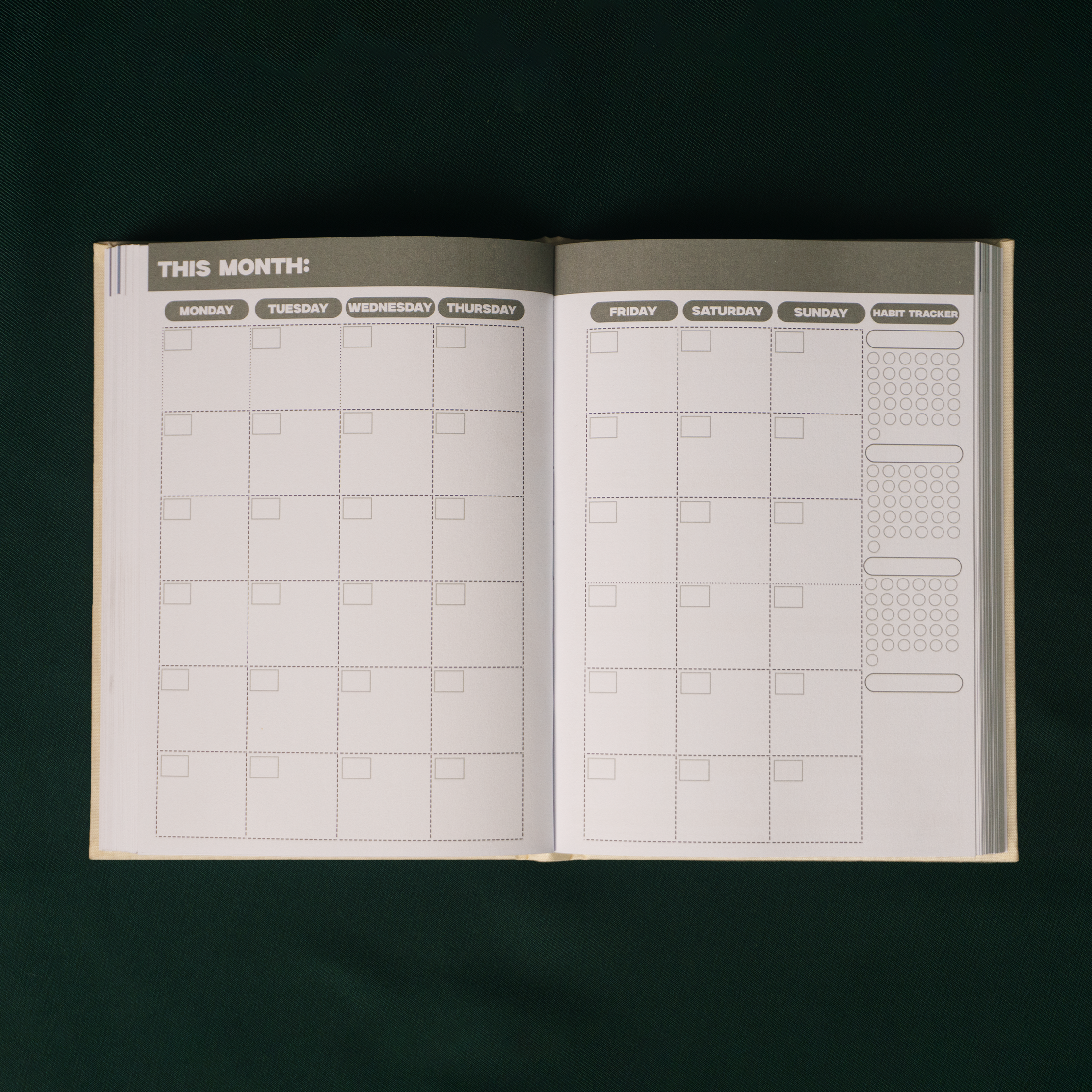
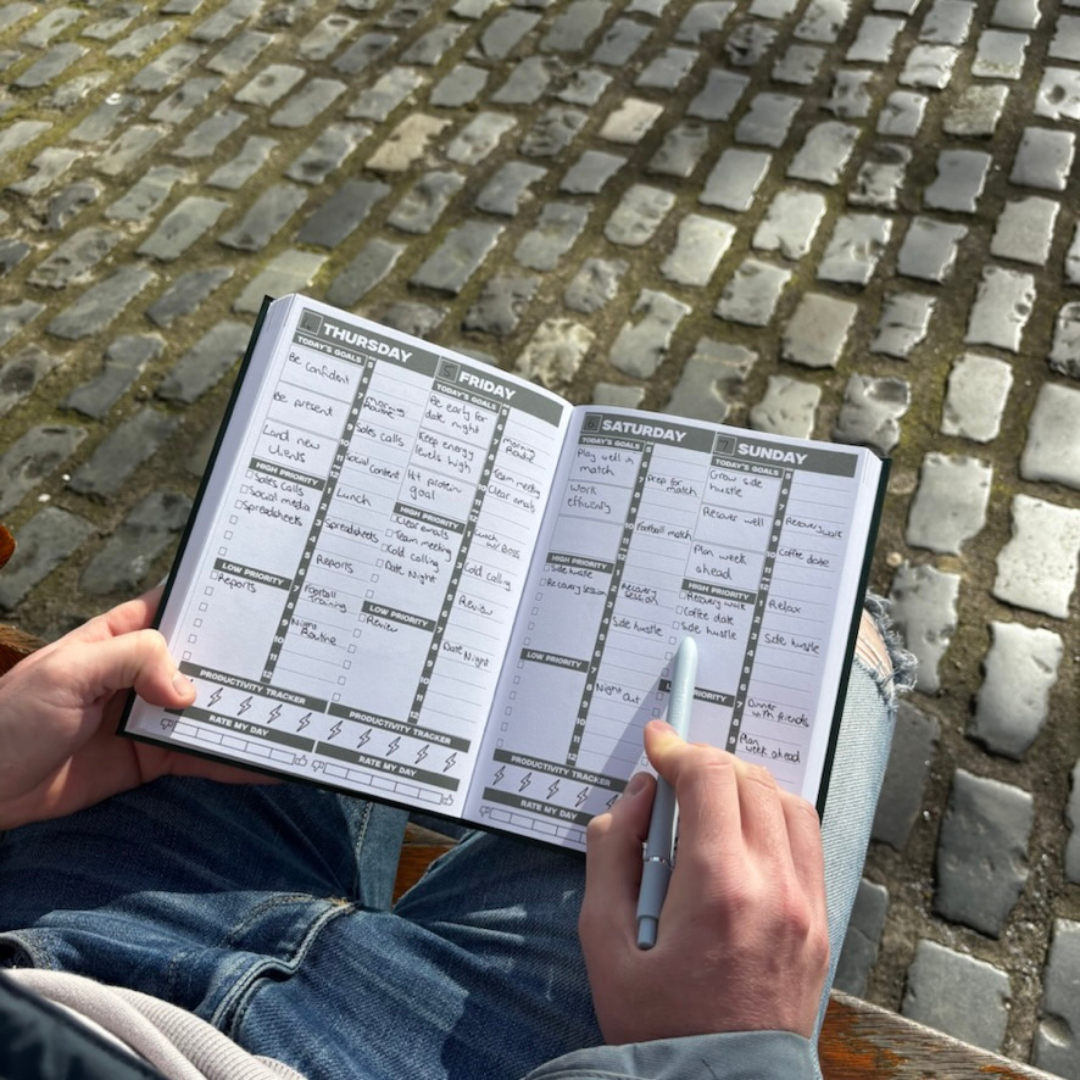
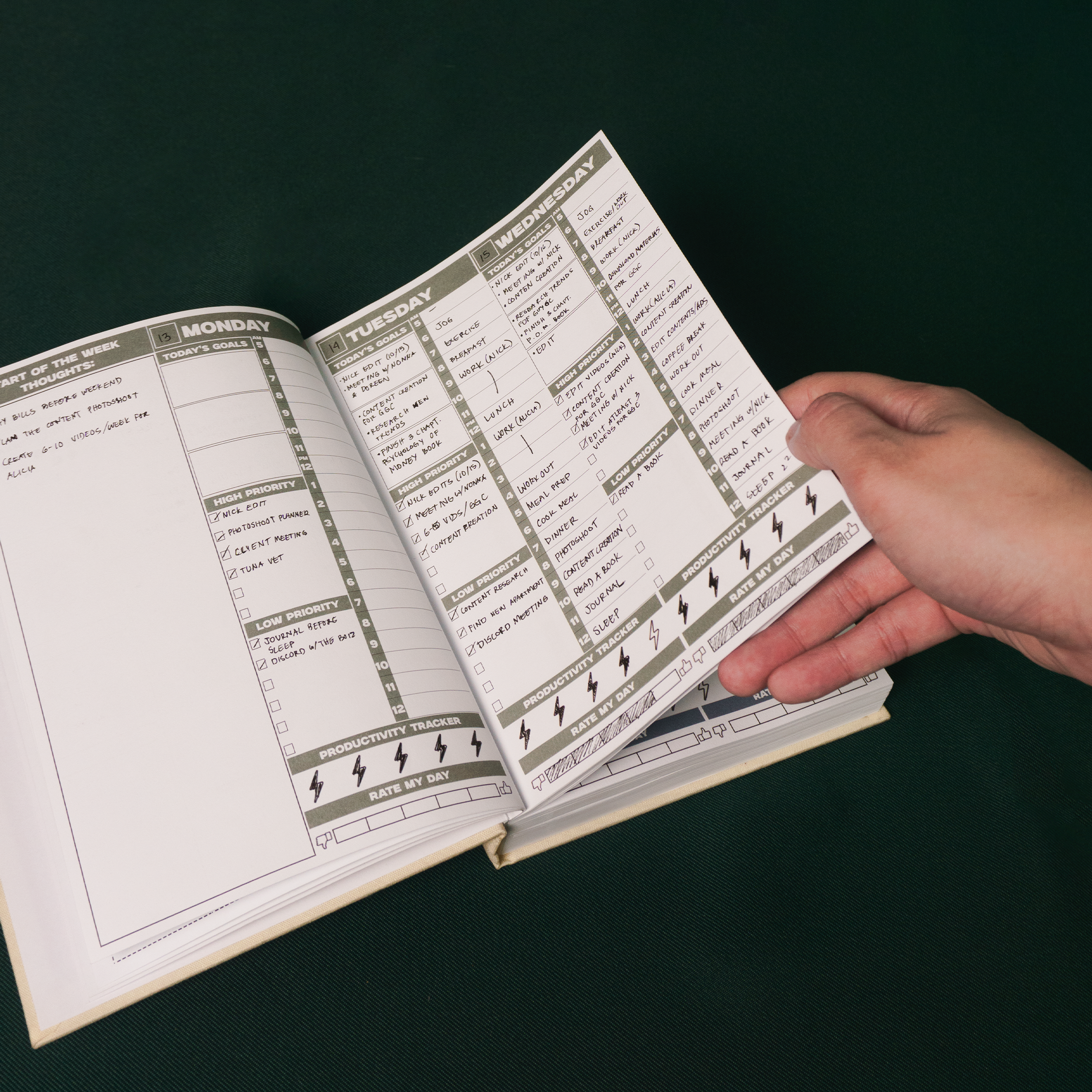
You wouldn't show up to the gym without proper equipment. Don't show up to your week without the right planner. The 'Plan Your Growth' Undated Weekly Agenda was designed specifically for this process. It gives you structured weekly pages that guide you through goal-setting, daily planning, and habit tracking without any unnecessary fluff.
Because it's undated, you can start this process right now - not January 1st, not "next Monday," but today. And if you miss a week, you just pick up on the next page. No gaps. No guilt. Just consistent forward motion.